
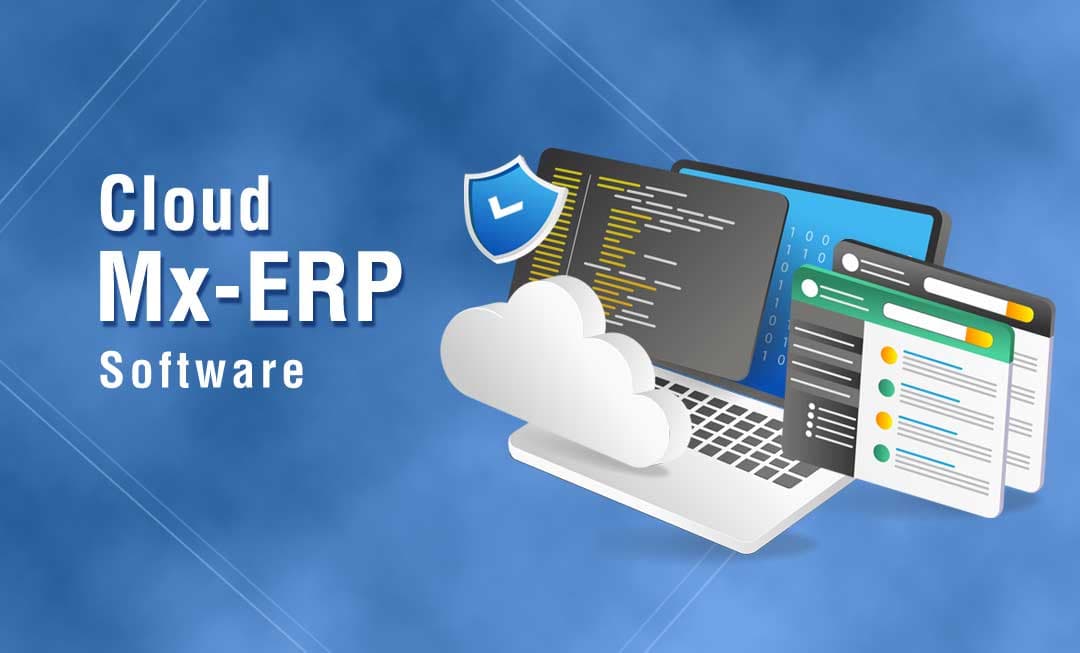
Cloud ERP is the future of business management software. It's a game changer in the sense that it makes small and mid-sized businesses more competitive in a global economy by reducing costs and time to market.
What is Cloud ERP?
In recent years, there has been a surge in the adoption of cloud-based ERP systems. Cloud ERP is a business software delivered via the internet, instead of being installed on-premises. This delivery model offers a number of advantages over traditional on-premises ERP, including lower upfront costs, scalability, and increased flexibility.One of the main benefits of cloud ERP is its affordability. Because it is delivered via the internet, there is no need to purchase expensive hardware or software licenses. Additionally, many cloud ERP providers offer subscription-based pricing models that can be scaled up or down according to your business needs. This can help to keep costs down as your business grows.
Another advantage of cloud ERP is its scalability. With an on-premises system, you would need to purchase additional licenses and hardware as your business expands. With a cloud-based system, you can add more users or increase your subscription level as required. This can help you save money in the long run and avoid having unused capacity if your business slows down.
Lastly, cloud ERP systems are generally more flexible than on-premises systems. They can be easily customized to meet your specific business needs and integrated with other applications and data sources. Additionally, they can be accessed from anywhere with an internet connection, making it easier for remote workers and employees who are often on the go.
Why Cloud ERP Is Important
As businesses grow, they need to streamline their processes and become more efficient. That’s where enterprise resource planning (ERP) systems come in.An ERP system is a software application that helps businesses manage their core business processes, such as finance, accounting, HR, and supply chain.
While there are many different types of ERP systems on the market, cloud-based ERP systems are becoming increasingly popular for small and medium-sized businesses (SMBs).
There are several reasons why cloud ERP is important for businesses:
- Cost-effective: Cloud ERP is typically more cost-effective than on-premise ERP because it doesn’t require a large upfront investment. You also don’t have to worry about the costs of maintaining servers or hardware.
- Flexible: Cloud ERP is flexible and can be scaled up or down as your business needs change.
- Easy to implement: Cloud ERP is usually easier to implement than on-premise ERP because it doesn’t require complex infrastructure or IT resources.
- Accessible from anywhere: Because cloud ERP is hosted off-site, it can be accessed from anywhere with an internet connection. This makes it ideal for businesses with multiple locations or remote employees.
- Increased security: Cloud providers invest heavily in security measures to protect their data centers from threats like cyber attacks. This can give you peace of mind knowing that your data is safe and secure.
Overall, cloud-based ERP software is a cost-effective, flexible, and secure solution for businesses of all sizes. If you’re looking for an ERP system for your business, be sure to consider a cloud-based solution.
The Pros And Cons of Cloud ERP
There are many different types of ERP software on the market, but one of the most popular and affordable options is cloud ERP. Cloud ERP can be a great option for businesses of all sizes, but there are some pros and cons to consider before making the switch.PROS:
- Lower upfront cost: One of the biggest advantages of cloud ERP is that it requires no large upfront investment. Businesses can pay for the software as they use it, which can save a lot of money.
- Flexible scalability: Cloud-based ERP software is very scalable, so businesses can easily add or remove users as needed. This makes it a great option for businesses that are growing or fluctuating in size.
- Access from anywhere: Since cloud ERP system is hosted remotely, users can access it from anywhere with an internet connection. This makes it a good choice for businesses with employees who work remotely or travel often.
- Automatic updates: With cloud ERP, there’s no need to worry about manually installing updates or patches. The software is automatically updated by the provider, so users always have the latest version.
Tags
Found this helpful? Share it: