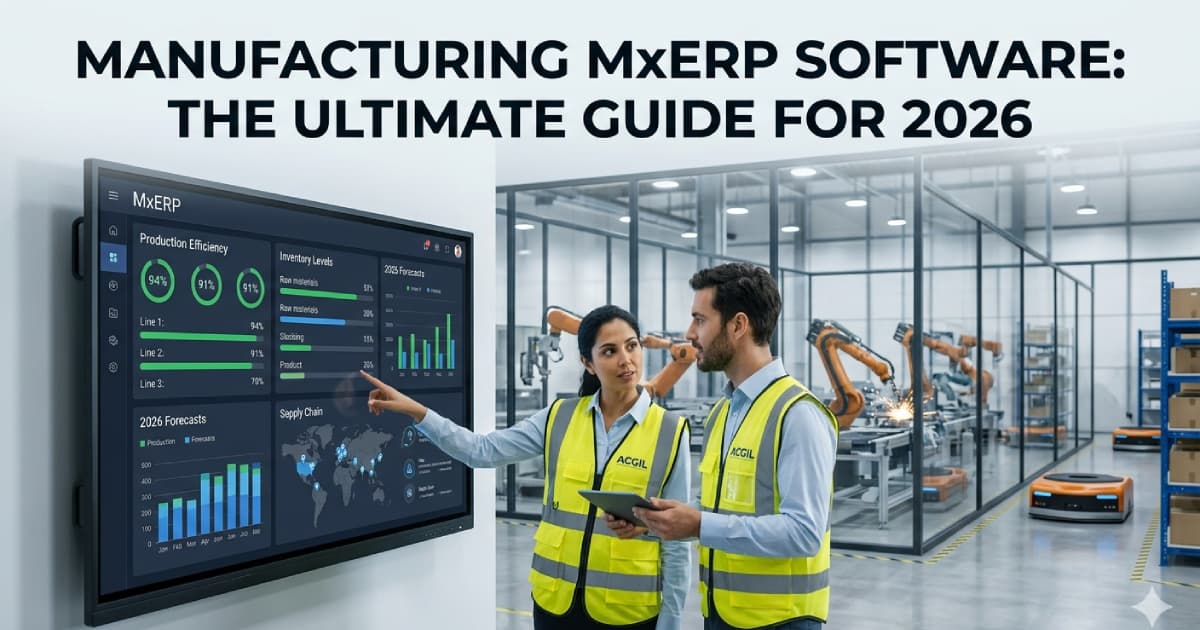

Enterprise resource planning is a term that includes numerous processes and roles. When used in a manufacturing industry, ERP is used to collect data from many different sources, like external suppliers, internal inventory and production records. Find out in this blog post the top five ways this technology has helped the industry over the years!
Introduction
In today's competitive landscape, manufacturers must constantly strive to improve efficiency and quality while reducing costs. Enterprise Resource Planning (ERP) systems are one way that manufacturing companies are able to gain a competitive edge. ERP systems help businesses manage their resources more effectively and efficiently, resulting in improved overall performance.There are many different ways that ERP is helping the manufacturing industry. Here are some of the top ways:
- Reduced Costs: One of the biggest benefits of ERP for manufacturing companies is the reduced costs associated with it. By integrating all business processes and data into a single system, companies can eliminate duplicate data entry, manual processes, and other inefficiencies that lead to higher costs.
- Improved Quality: With an ERP system in place, manufacturers can better track and manage quality control throughout the production process. This leads to improved product quality and fewer defective products being shipped out to customers.
- Increased Efficiency: ERP systems help businesses automate many tasks and processes which leads to increased efficiency across the board. From inventory management to order processing, ERP helps streamline manufacturing operations so that companies can do more with less.
- Greater Visibility: Another big benefit of ERP for manufacturers is the greater visibility it provides into all aspects of the business. With real-time data and reporting capabilities, managers can make better informed decisions about where to allocate resources and identify areas of improvement within the company.
Tags
Found this helpful? Share it: